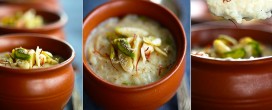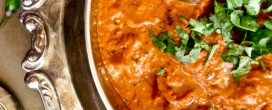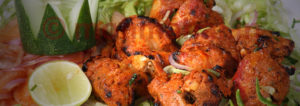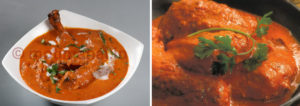
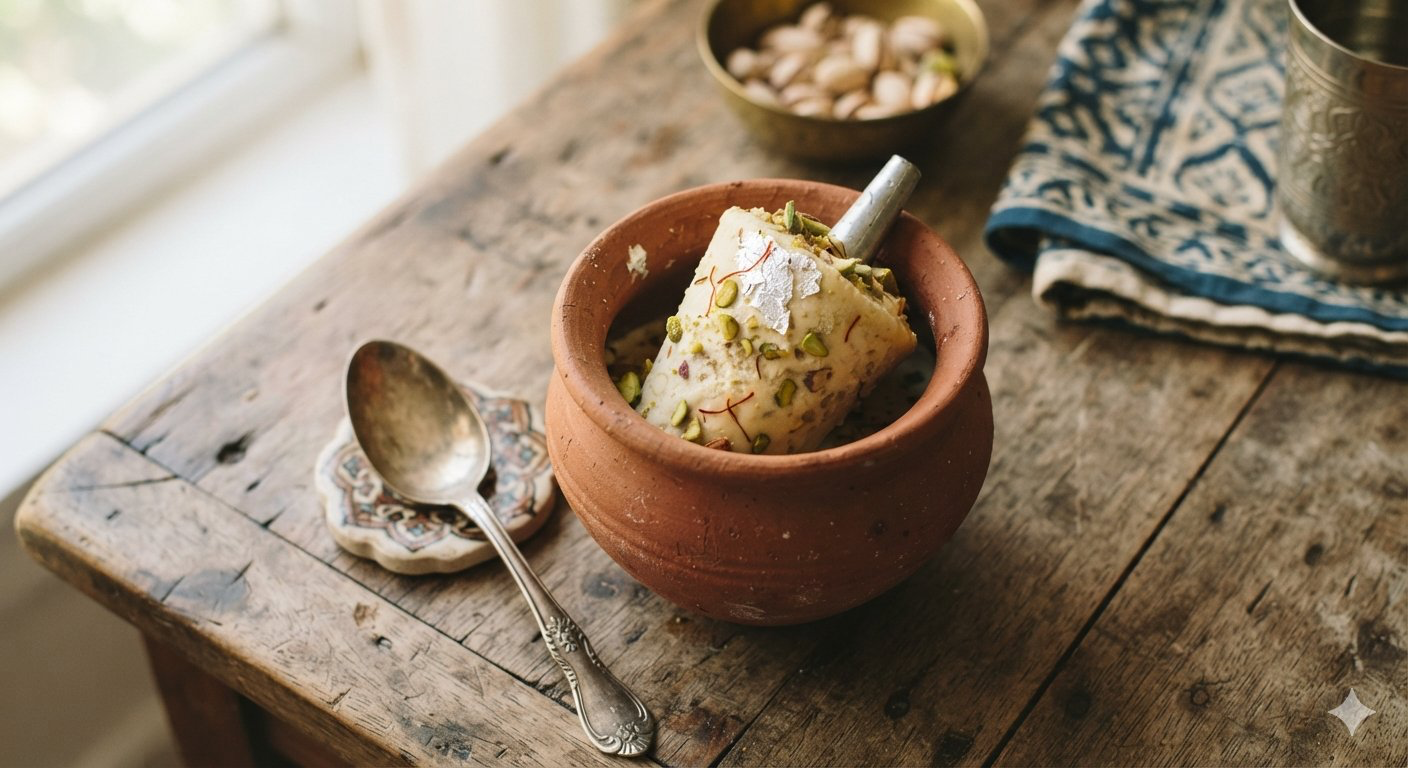
When you walk into the legendary gates of Moti Mahal, your senses are instantly hit with a wave of pure nostalgia. You smell the smoky char of the tandoor, hear the clatter of plates serving up the city’s most famous Butter Chicken, and see families laughing over a rich meal. But ask any true foodie, and they will tell you a secret: no meal here is truly complete without ordering Moti Mahal’s iconic Kesar Pista Kulfi.
While the restaurant globally transformed Indian cuisine with its savory inventions, it is this dense, slow-melting, creamy frozen dessert that has quietly captured hearts for decades. But where did this incredible treat actually come from?
Let’s dive into the fascinating, 500-year-old history of kulfi, mixed with a few delicious behind-the-scenes anecdotes from the dining rooms of Moti Mahal.
From Mughal Courts to Covered Cups: The Invention of Kulfi
Long before Western-style churned ice cream ever made its way to the Indian subcontinent, royal chefs in 16th-century Delhi were already mastering the art of the frozen dessert.
The word kulfi actually originates from the Persian word qulfi, which translates literally to “covered cup”. During the Mughal era, royal khansamas (chefs) wanted to create something deeply indulgent to beat the oppressive summer heat of Delhi.
How Kulfi Was Invented in the Royal Kitchens:
1. Slow-boil full-fat milk for hours until it reduces to a dense, caramelized paste (rabri).
2. Infuse it with luxury aromatics: saffron (kesar), pistachios (pista), and rosewater.
3. Pour the dense mixture into metal or clay cones (kulhars) and seal tightly.
4. Submerge the cones into a matka packed with a slurry of Himalayan ice and saltpeter.
Because it was never whipped or churned, it resulted in a solid, intensely rich custard that melted wonderfully slowly. This medieval refrigeration hack—meticulously detailed in royal administrative documents—turned kulfi into a high-stakes luxury reserved strictly for royalty.
The Moti Mahal Twist: When Modern History Met Imperial Flavours
Fast forward to 1947. When the legendary Kundan Lal Gujral set up the iconic Moti Mahal after partition, he didn’t just bring frontier tandoori flavours; he brought an unyielding standard for dessert.
Kundan Lal Gujral knew that after eating a heavy, spice-laden meal of tandoori chicken and rich, buttery gravies, a light Western ice cream simply wouldn’t cut it. The palate needed something equally robust, traditional, and heavy enough to hold its own. He revived the classic Mughal method of slow-simmering milk for hours, perfecting a Kesar Pista Badam Kulfi that became an instant sensation.
🍦 Traditional Kulfi vs. 🍨 Churned Ice Cream
┌───────────────────┬──────────────────────────────────┬─────────────────────────────────┐
│ Feature           │ Kulfi                            │ Western Ice Cream               │
├───────────────────┼──────────────────────────────────┼─────────────────────────────────┤
│ Texture           │ Dense, rich, and solid           │ Light, airy, and fluffy         │
│ Processing        │ Un-churned; slow-reduced milk    │ Churned to incorporate air      │
│ Melting Speed     │ Very slow (due to high density)  │ Fast                            │
│ Classic Flavours  │ Saffron, Pistachio, Cardamom     │ Vanilla, Chocolate, Strawberry  │
└───────────────────┴──────────────────────────────────┴─────────────────────────────────┘
The Night the Qawwali Musicians Stopped for Kulfi
There is a famous old anecdote from the 1950s and 60s when Moti Mahal’s open-air courtyard would resonate with night-long qawwali performances. Dignitaries, Bollywood stars, and local families would gather under the stars.
As the story goes, during one particularly intense, high-energy crescendo, the lead singer paused the entire performance. The crowd went silent, wondering if something was wrong. The singer simply smiled, pointed to a waiter carrying a massive brass tray of glistening, thread-topped Kulfi Falooda plates, and said into the microphone, “Even the music must wait for Moti Mahal’s kulfi.” The courtyard erupted into laughter, the musicians took a 10-minute break to eat their dessert, and the performance that followed was said to be the most soulful night they ever had!
The Secret is in the Melt
What makes it the most popular dessert at Moti Mahal to this day is the uncompromising, laborious process. The saffron is bloomed slowly, and the pistachios are folded in entirely by hand. When paired with delicate strands of falooda, it creates a texturized experience that connects you straight back to the 16th-century emperors.
The best part? You don’t have to travel far to experience this imperial legacy. Today, there are more than 200 Moti Mahal outlets where you can get this royal treat. Next time you find yourself at one of their locations, wipe the last bit of makhani gravy from your fingers with a piece of naan, skip the modern dessert options, and ask for a plate of heritage. Trust us—your inner emperor will thank you.
Ready to find this legendary dessert near you? Head over to www.motimahal.in to find our locations!