By Monish Gujral | Chef, Restaurateur, Food Writer and Author
There are certain flavours that transport you to another place the moment you taste them. A spoonful of a familiar curry can take me back to the kitchens of Moti Mahal and the culinary legacy of my grandfather, Kundan Lal Gujral. A perfectly prepared dessert can remind me of the precision of classical French cooking. And the fresh, zesty aroma of limoncello immediately brings to mind the sun-drenched coastline of southern Italy.
During my culinary journey, including my experience teaching at Le Cordon Bleu, I have always believed that understanding a dish or a drink means understanding its story. Food and drink are never merely about ingredients; they are about geography, culture, tradition and the people who have kept a recipe alive.
Limoncello is a wonderful example of this philosophy.
The Italian Story of Limoncello
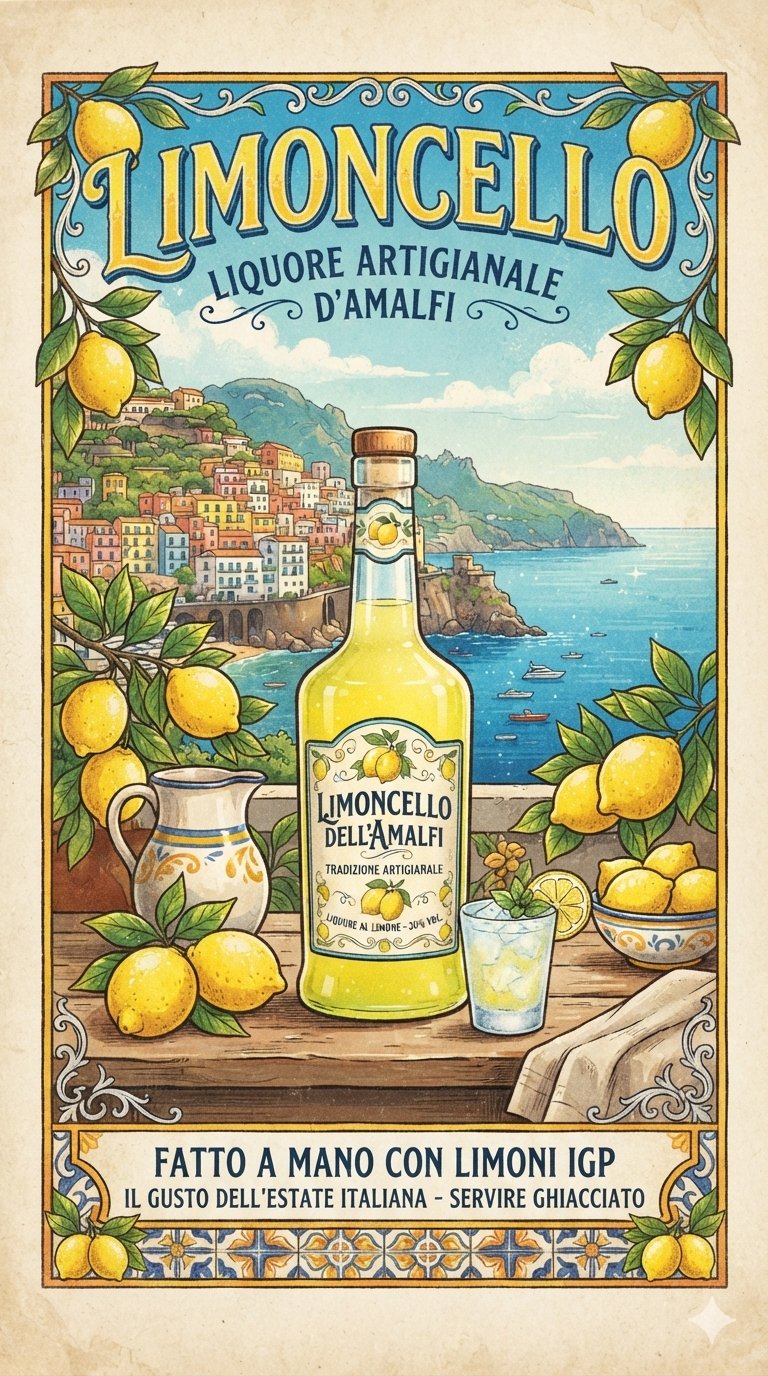
Limoncello is a traditional Italian lemon liqueur, particularly associated with the Campania region, including the beautiful coastal towns of Sorrento, Amalfi and Capri. Its brilliant yellow colour, intense citrus fragrance and sweet, refreshing flavour have made it one of Italy’s best-known after-dinner drinks.
Unlike many liqueurs that depend on complicated botanical blends, limoncello celebrates one ingredient above all others: the lemon.
The traditional preparation involves steeping the yellow zest of fragrant lemons in high-strength alcohol. Over time, the alcohol extracts the lemon’s essential oils, creating an intensely aromatic infusion. Sugar syrup is then added to balance the natural bitterness and produce the smooth, sweet liqueur we recognise today.
The exact origins of limoncello remain debated. Families and producers in southern Italy have their own stories about its beginnings, and there is no universally accepted account of a single inventor. What is certain is that the drink became deeply associated with the hospitality and culinary traditions of the region.
The famous lemons of the Sorrento Peninsula and the Amalfi Coast, with their intensely fragrant skins, are central to its character.
What Le Cordon Bleu Taught Me About Flavour
My experience teaching at Le Cordon Bleu reinforced an important principle that has guided my work as a chef and food writer: a great preparation begins with understanding the ingredient.
When teaching culinary techniques, I have always felt that it is not enough to memorise a recipe. One must understand why a particular ingredient is used, how its flavour behaves and what happens when it is combined with something else.
Lemon is a fascinating ingredient in this respect. Its juice contributes acidity, while its zest contains fragrant oils that provide the distinctive aroma we associate with fresh citrus.
In limoncello, the zest is the real star. The white pith underneath the yellow skin contains bitter compounds, which is why careful peeling is essential.
This is also where I see a connection between Italian and Indian culinary traditions. At Moti Mahal, our approach to spice blends has always centred on consistency, aroma and balance. Whether we are preparing a butter chicken masala or a dal makhani masala, the objective is to allow the ingredients to complement one another rather than compete.
The same philosophy applies to a good limoncello cocktail. The sweetness of the liqueur, the acidity and fragrance of lemon, and the crisp bubbles of Prosecco must come together harmoniously.
From Limoncello to the Limoncello Spritz
While traditional limoncello is often served chilled in a small glass after a meal, I particularly enjoy the idea of using it as the foundation of a sparkling aperitivo.
Italy has given the world a wonderful culture of aperitivo: that relaxed moment before dinner when friends gather over a drink and a few small bites.
The Aperol Spritz is perhaps the most familiar example, but limoncello offers a beautiful alternative. Its citrus character makes it especially appealing in warm weather, while Prosecco adds lightness and effervescence.
My preferred interpretation is a Limoncello Spritz with Prosecco, fresh lemon and soda water. It is simple to prepare, elegant to serve and wonderfully suited to an alfresco lunch or an evening gathering.
My Recipe: Monish Gujral’s Limoncello Spritz
A sparkling Italian-inspired cocktail
<AsyncImage query=”limoncello spritz cocktail in large wine glass prosecco soda water lemon wheel ice cubes elegant Italian aperitivo” aspectRatio=”4:5″ width=”100%”/>
Ingredients
Serves 1
- 60 ml chilled Prosecco
- 45 ml limoncello
- 30 ml chilled soda water
- Ice cubes
- 1 thin slice of fresh lemon
- 1 strip of lemon zest
- 1 small sprig of fresh mint, optional
Method
1. Prepare the glass
Choose a large wine glass. Fill it generously with ice cubes to keep the cocktail cold without requiring excessive stirring.
2. Add the limoncello
Pour in 45 ml of chilled limoncello. The liqueur provides the signature lemon fragrance and sweetness.
3. Introduce the Prosecco
Slowly pour in 60 ml of chilled Prosecco. Pour gently to preserve the bubbles.
4. Add the soda
Top with 30 ml of soda water. This lightens the drink and balances the sweetness of the liqueur.
5. Garnish and serve
Add a slice of lemon and express a strip of lemon zest over the glass to release its fragrant oils. Garnish with mint if desired.
Give the drink one gentle stir and serve immediately.
My Chef’s Tips
- Choose good lemons: Fragrant, unwaxed lemons are ideal when making homemade limoncello.
- Keep everything chilled: Cold ingredients help retain the cocktail’s refreshing character.
- Adjust the sweetness: If your limoncello is particularly sweet, increase the soda water slightly.
- Do not overpower the Prosecco: Pour gently and avoid vigorous stirring.
- Pair it thoughtfully: Serve with olives, bruschetta, grilled seafood or light appetisers.
This recipe contains alcohol. Enjoy responsibly.
How to Make Homemade Limoncello
If you would like to take the experience a step further, homemade limoncello is surprisingly straightforward, although it requires patience.
Ingredients
- 6–8 large, fragrant lemons, preferably unwaxed
- 500 ml food-grade neutral spirit suitable for making liqueurs, at an appropriate strength
- 400 g sugar
- 500 ml water
Method
- Wash and dry the lemons thoroughly.
- Using a sharp vegetable peeler, remove only the yellow zest, avoiding the bitter white pith.
- Place the zest in a clean, sealable glass jar and cover with the spirit.
- Seal the jar and leave it in a cool, dark place for approximately 7–14 days, following safe handling practices. The infusion should develop a strong lemon aroma and yellow colour.
- Prepare a syrup by dissolving the sugar in the water over gentle heat. Allow it to cool completely.
- Strain the lemon infusion through a fine sieve and combine it with the cooled syrup.
- Bottle in clean containers and refrigerate. Allow the flavours to settle before serving.
The final strength will depend on the alcohol used and the amount of syrup added. Use only food-grade alcohol intended for consumption; never use industrial or denatured alcohol.
A Final Thought: The Beauty of Culinary Exchange
As someone who has spent his life exploring food, writing about culinary heritage and carrying forward the legacy of Moti Mahal, I find drinks such as limoncello fascinating because they demonstrate how a single ingredient can become a symbol of an entire region.
My grandfather, Kundan Lal Gujral, helped introduce the world to iconic Indian preparations. His legacy reminds me that the strongest culinary traditions are those that preserve their roots while continuing to inspire new interpretations.
From the fragrant spice blends of an Indian kitchen to the lemons of southern Italy, the underlying principle remains the same: respect the ingredient, understand its origins and bring out its best qualities.
And sometimes, all it takes is a little limoncello, a splash of Prosecco and a sunny evening to appreciate the universal language of good food and drink.
Salute!